


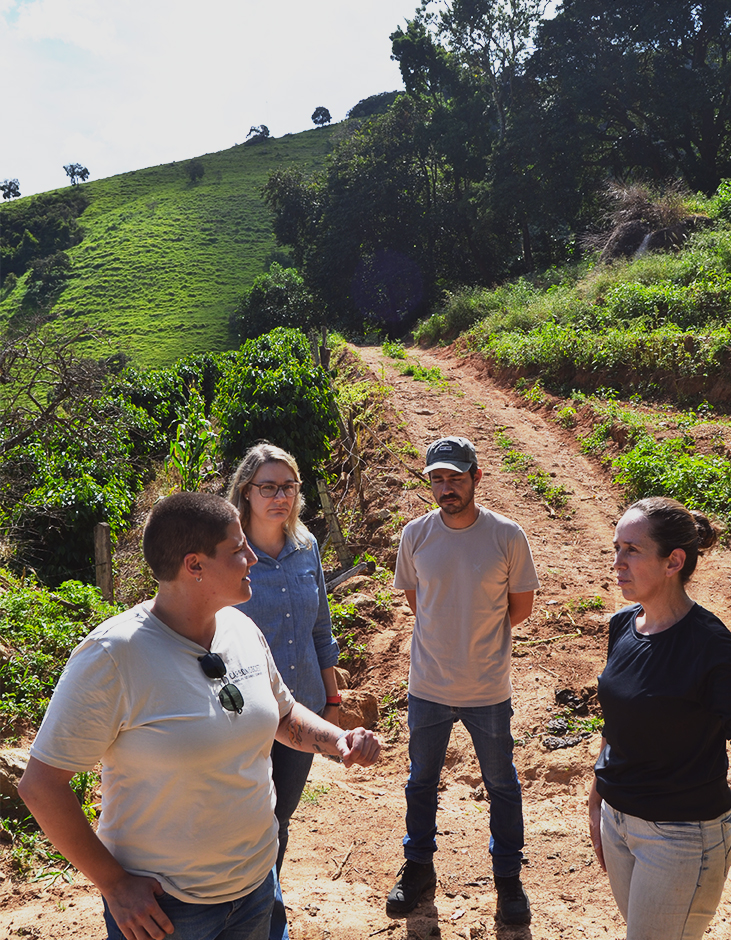
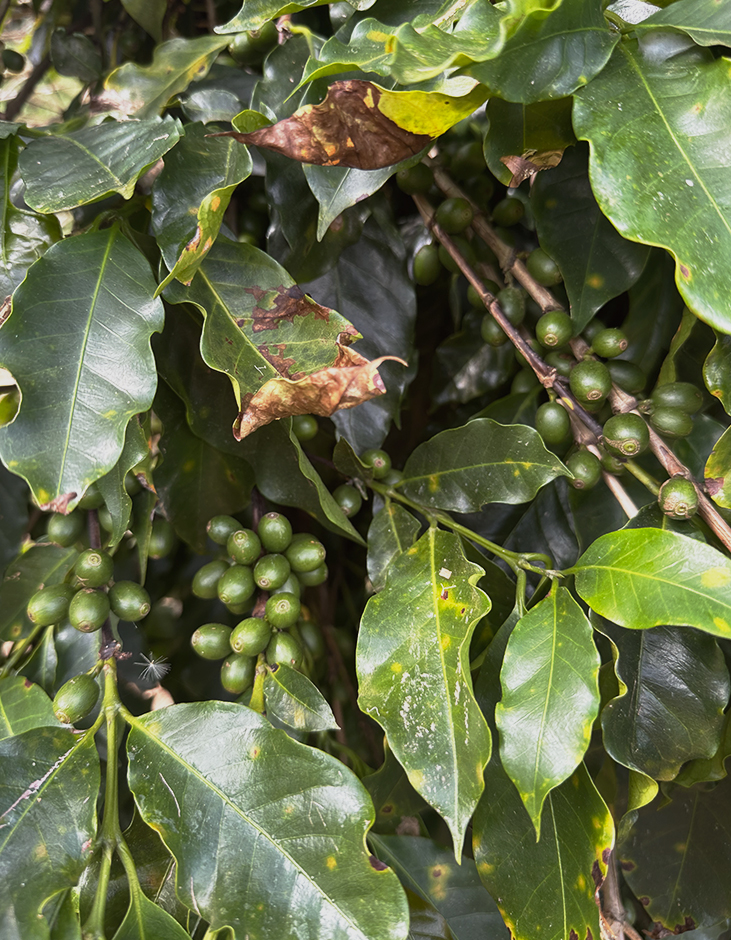
Establishment of regenerative agricultural systems within coffee farming communities in Minas Gerais, Brazil, to improve climate resilience and the livelihoods of rural smallholder farmers.
Leveraging partnerships with local organisations and industry specialists, we aim to deliver customised support for the assessment, design, implementation, and ongoing management of agroforestry systems tailored to the specific needs of each farmer.
Location: Minas Gerais, Brazil
Type: Afforestation/Reforestation with Regenerative Agriculture
Registry/Standards: Gold Standard
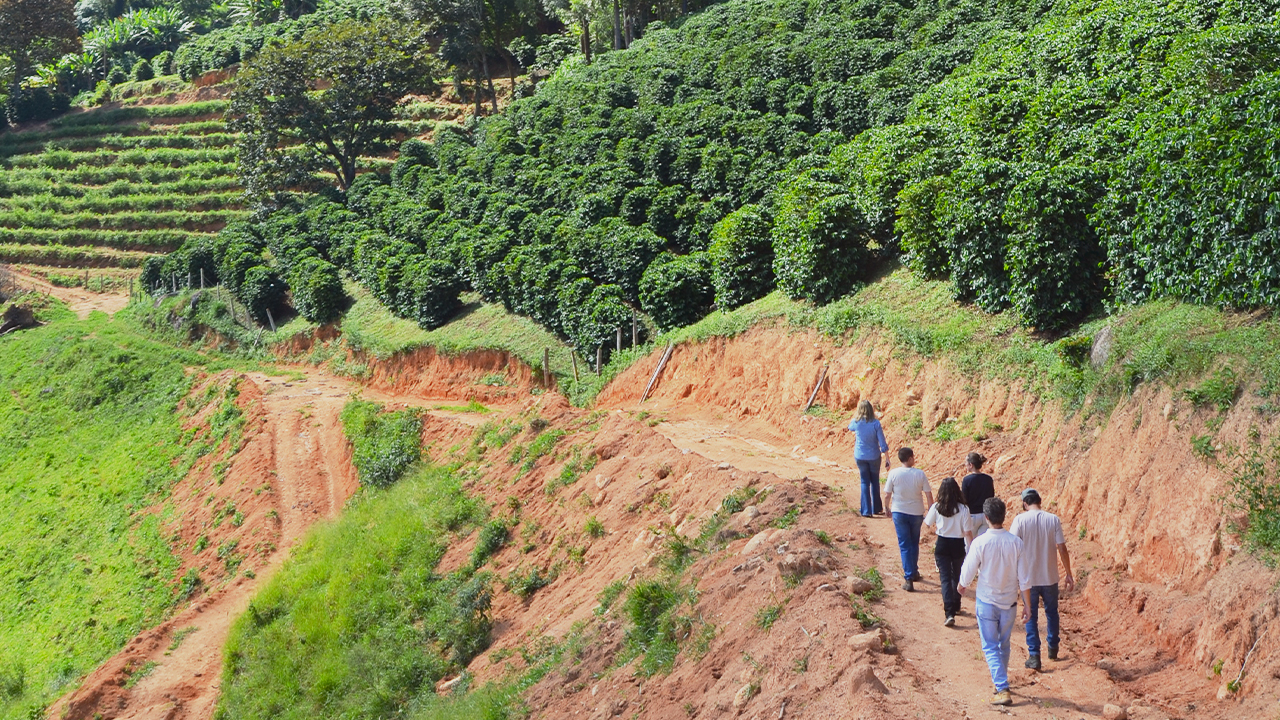

Escalating greenhouse gas emissions are fuelling climate change, resulting in long-term shifts in temperature and weather patterns that disrupt global ecosystems and impact human activities.
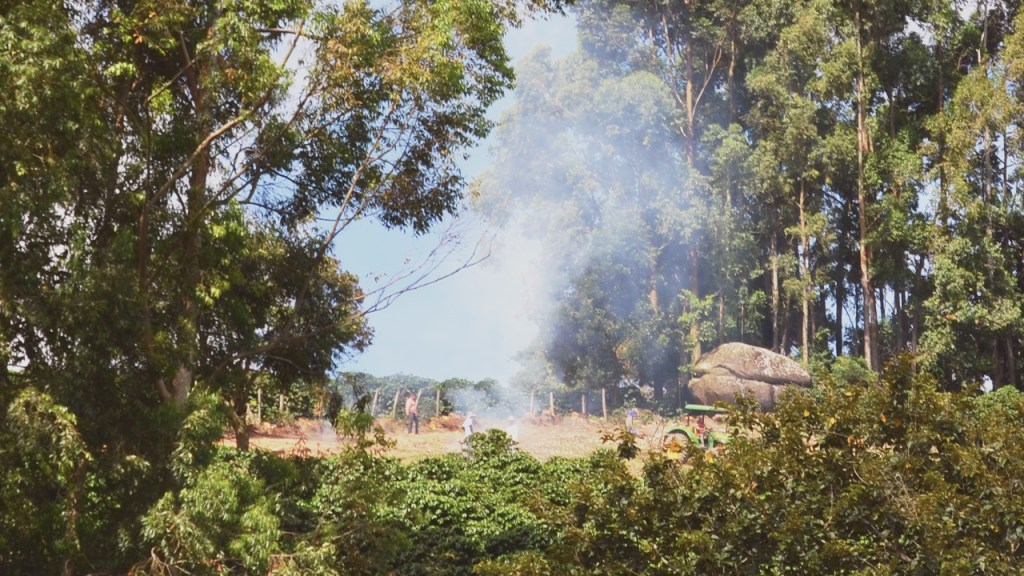
Agriculture, particularly through traditional farming methods such as monoculture, slash-and-burn, chemical use, and deforestation, exacerbates these adverse climate effects, posing increasing risks to farming communities globally.
ENVIRONMENTAL RISKS
- Soil degradation;
- Biodiversity loss;
- Increased reliance on chemical inputs;
- Extreme weather events.
ECONOMIC RISKS
- Decreased productivity;
- Increased input costs;
- Reduced coffee quality;
- Market vulnerability.
SOCIAL RISKS
- Reduced farmer resilience;
- Health problems;
- Family instability;
- Increased social inequality.

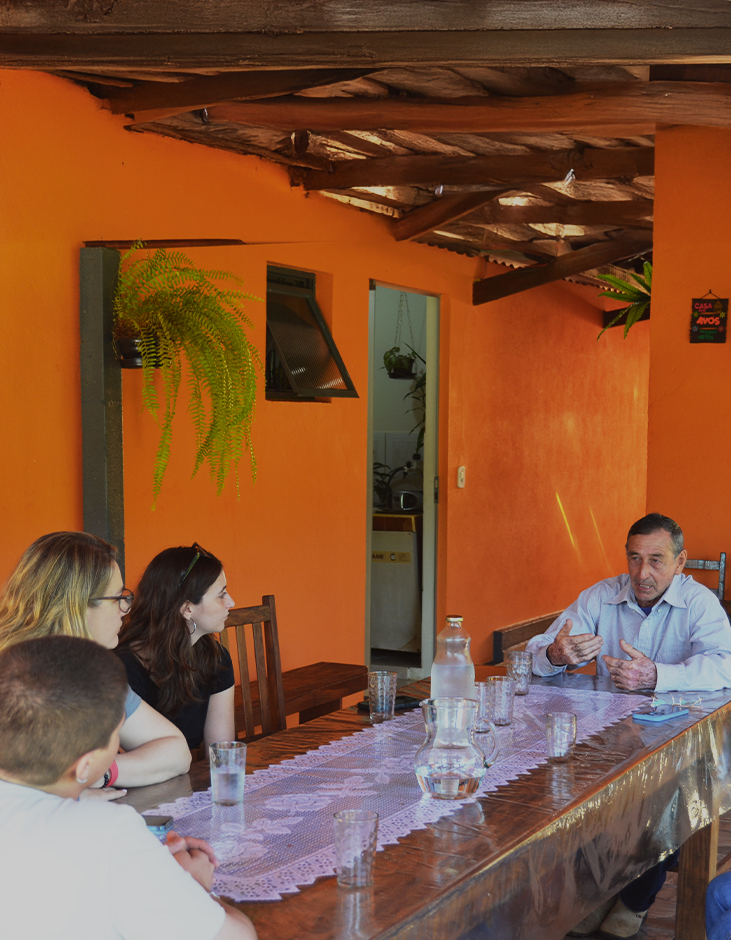
Our project aims to empower rural farmers by facilitating a transition to regenerative agriculture through knowledge transfer and financial support, thereby improving their climate resilience and livelihoods.
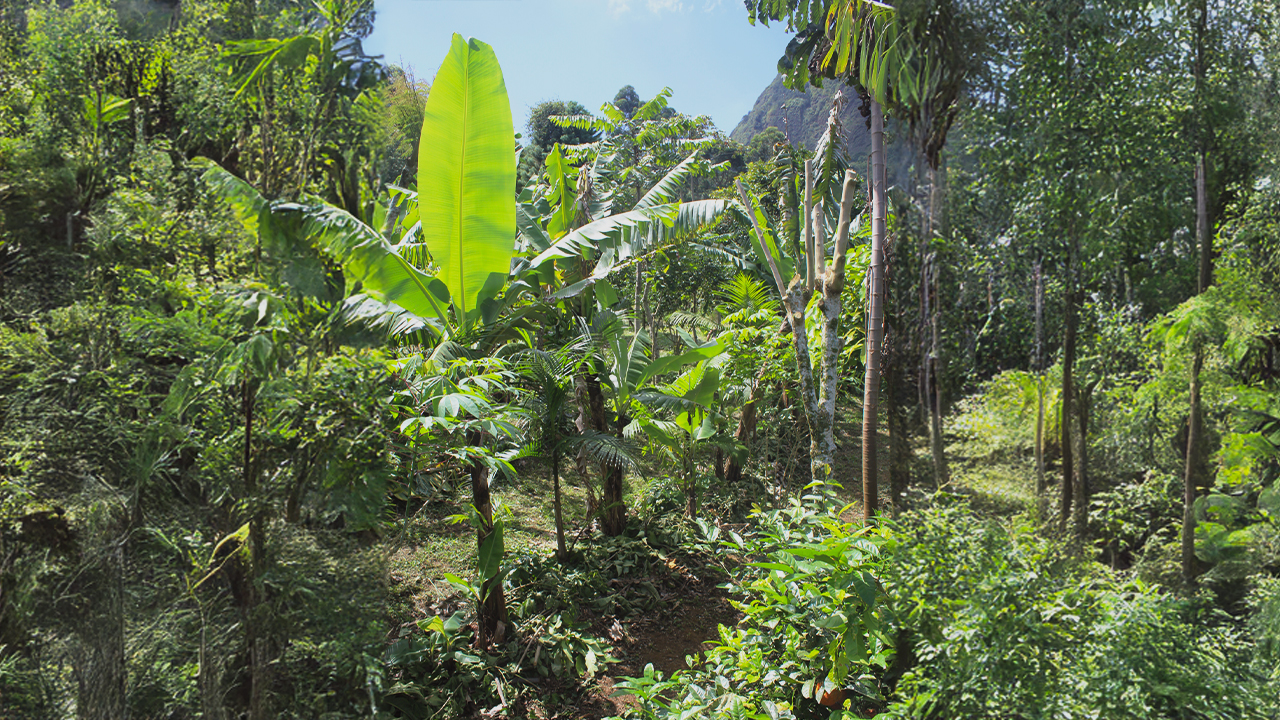
Regenerative agriculture involves farming practices that align with natural processes, and agroforestry—the integration of trees into crop systems—is a prime example. Implementing these systems allows farmers to reduce the vulnerabilities related to unsustainable agriculture, strengthen their ability to withstand climate impacts, and engage in a project designed to empower them.

- Boosts carbon sequestration;
- Improves soil health & water conservation;
- Reduces use and waste of agrochemicals;
- Prioritises the planting of native species;
- Promotes biodiversity through species diversification and forest conservation.
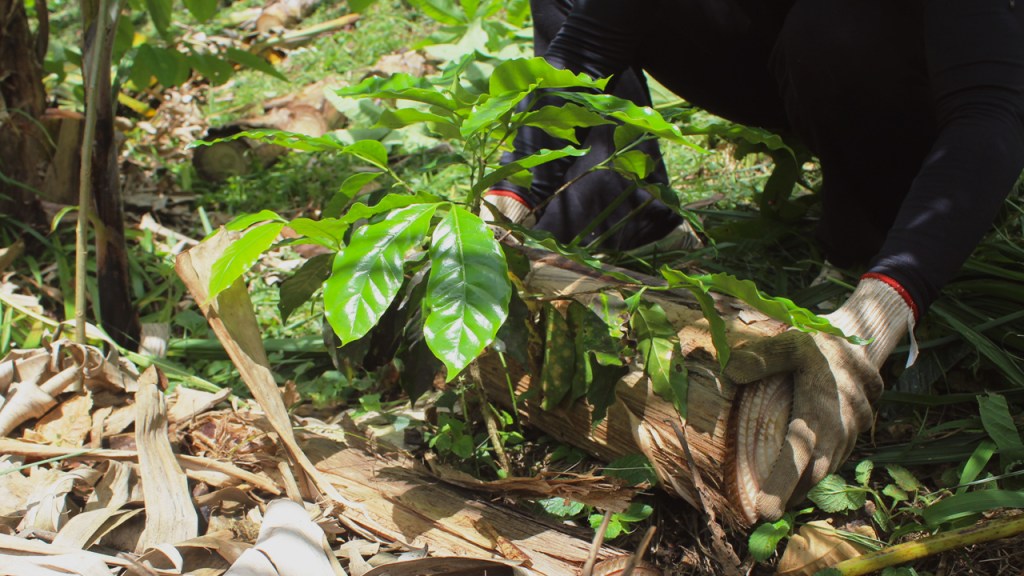

- Enhances production diversification on farm;
- Generates passive income through carbon credits;
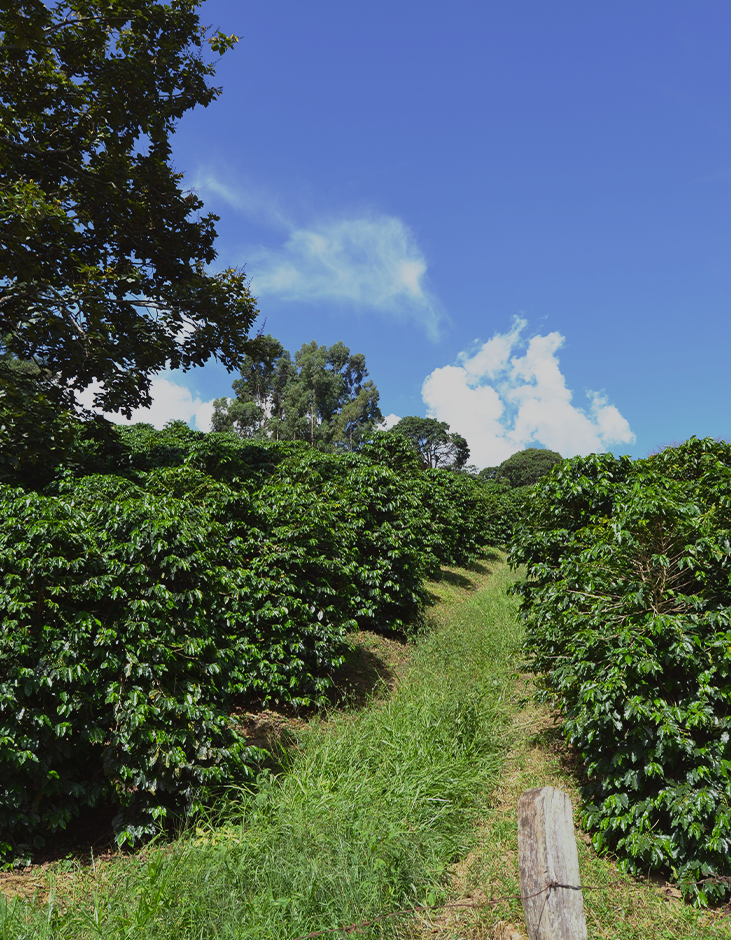
- Improves income through new sustainable coffee areas planted.
- Enhances climate resilience of fields.
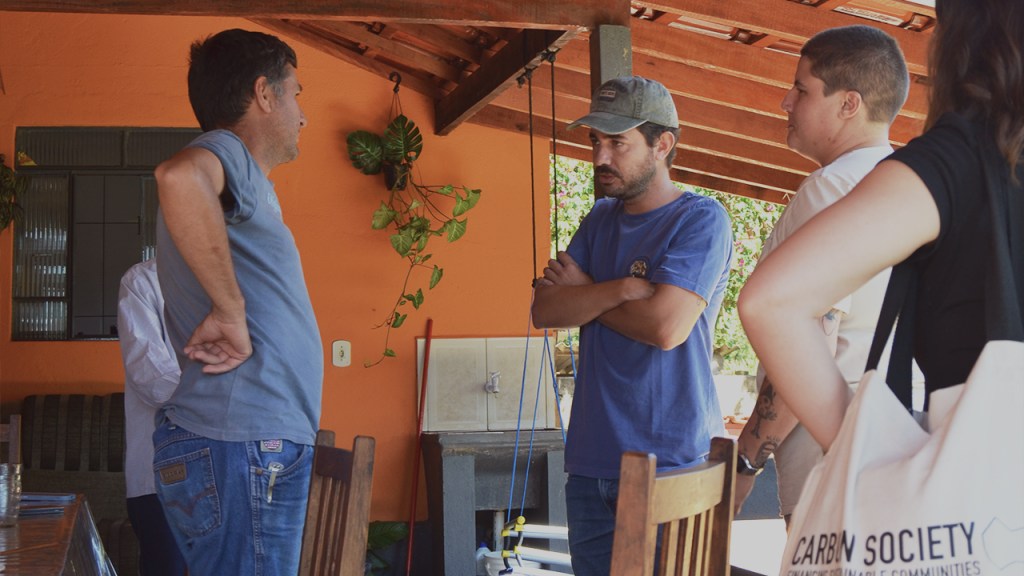
- Provides tailored educational programs in collaboration with local corporates, local leaders and organisations.



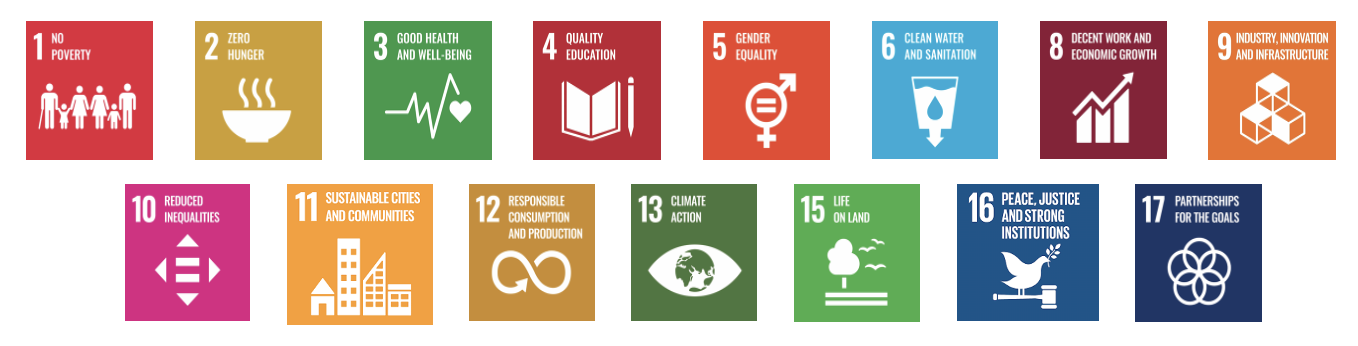
The project’s comprehensive farmer support strategy, distinguishing it from typical nature-based initiatives, facilitates significant progress across up to 15 UN SDGs.
Through rigorous validation and verification by independent auditors and Gold Standard certification, the project will issue transparent impact statements on relevant UN SDGs and generate high-quality carbon credits.



 CARBON SOCIETY